13th-Century Hose (Chausses)
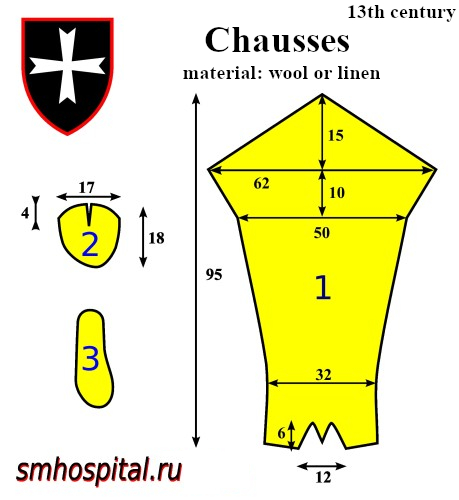
Figure 1 - Patterns for 13th-century hose
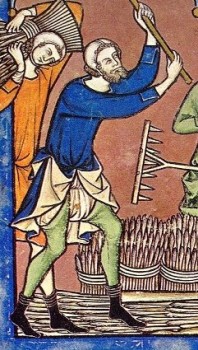
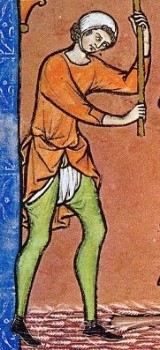
Figure 2 - Miniatures, Maciejowski Bible, 1250
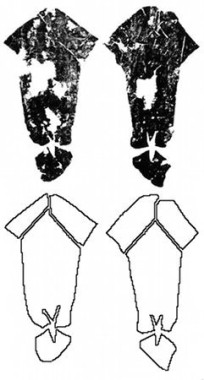
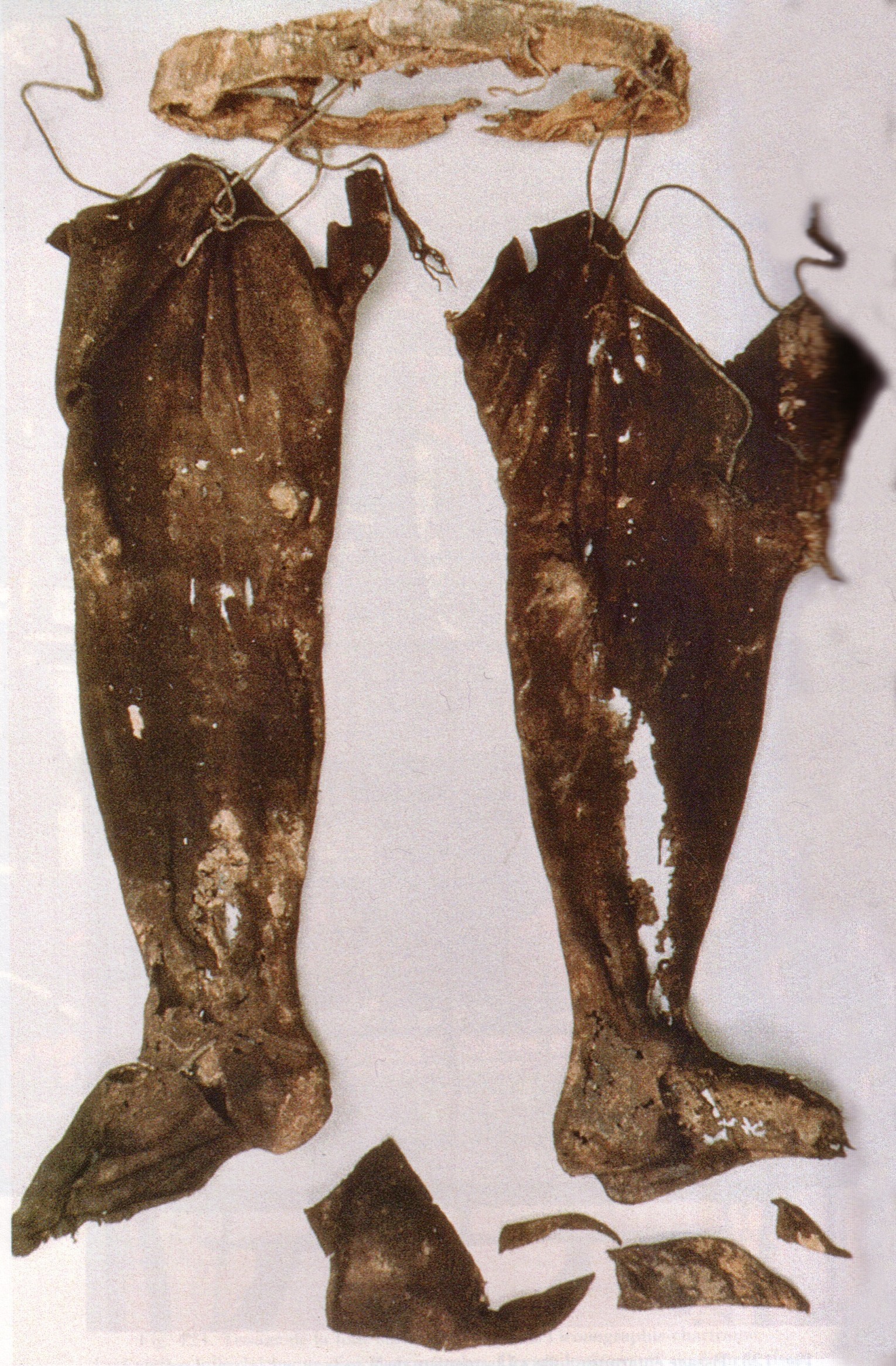
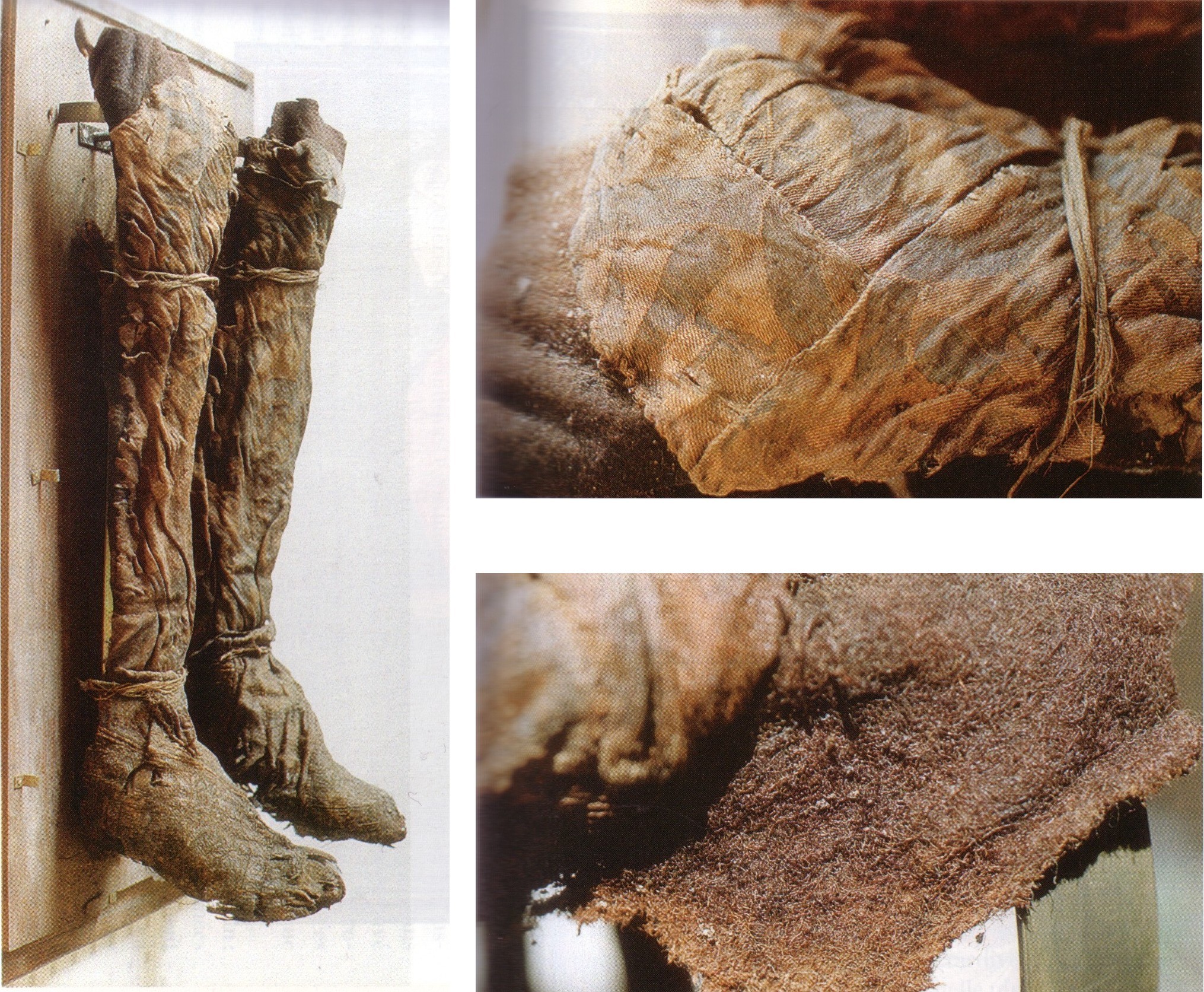
Figure 3 - Extant hose, left to right:
a. Cleric's hose, 1200. Found in a burial, Bremen.
b. Hose of Rodrigo Ximénez de Rada, Bishop of Toledo (died 1247), before restoration. Photo archive of the Obras restoration workshop, Madrid.
c. Hose of Robert I de Courtenay, Bishop of Orléans (died 1279); patterned gold and blue silk with red wool lining (faded). The fabric is cut on the bias. Sainte-Croix Cathedral, Orléans.
Statute of Alfonso de Portugal, 1206: ... A brother must have ... and hose made of linen (*lin* Lat.) and wool.
1) First, determine the dimensions. The measurements in Figure 1 are approximate (based on a person of average build, 1.85 m tall, with a shoe size of 43). If you are taller than 1.90 m, you should increase the length of the hose accordingly. It is also crucial to measure the circumference of your upper leg; ensure it is less than 50 cm—otherwise, this measurement and the "62 cm" dimension must be increased proportionally.
2) Next, mark the fabric using pattern piece 1 (adjusted for your measurements), positioning the fabric diagonally relative to the pattern. This makes the hose more elastic (and reflects the method used in the 13th century).
3) Cut out the hose (using only pattern piece 1), leaving a seam allowance of at least 8 cm on all sides except the bottom edge (this provides a margin for error). A 2 cm allowance at the bottom is sufficient.
4) Baste the back seam of the cut-out piece. The resulting shape should be easy to put on yet fit the leg snugly. If the hose pinches or hangs loosely in any area, re-baste those sections, adjusting the allowance accordingly.
5) Cut out paper templates for pattern pieces 2 and 3. To create pattern piece 3, place your foot on a sheet of paper and trace its outline. Pattern piece 2 can be cut out roughly at this stage.
6) Test-fit the paper templates and the previously basted hose piece against your leg (pattern piece 3 covers the foot; pattern piece 2 covers the area above the foot at the front). If the paper patterns are too large or too small, you must adjust them (or possibly cut new ones). Pattern 2 presents a particular challenge.
7) Trace the paper patterns onto the fabric and cut them out, leaving a seam allowance of about 3 cm.
8) Baste pattern 2 to pattern 1. Next, baste the foot piece (pattern 3) to patterns 1 and 2.
9) Try on the assembled piece; once you are satisfied that it fits well, is easy to put on and take off, and is comfortable, sew the seams permanently.
10) Finish the edges and seams. Turn the garment inside out (or rather, right-side out) so that all the seams are on the inside.
11) At the top of the hose, near the point, make two small holes spaced 1 cm apart; finish the edges of the holes and thread a cord through them to tie the hose to the braies.
12) The hose is finished; now repeat the process for the other leg.
Note: It is best to make hose for a Hospitaller out of undyed fabric.
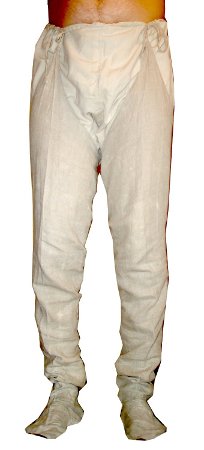
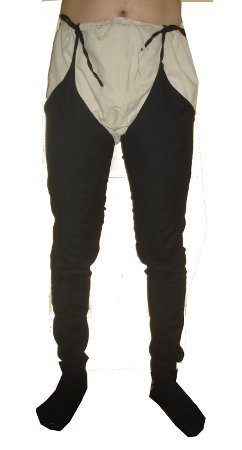
Image: Finished hose (linen and wool cloth)
List of Sources
1) The Maciejowski Bible2) http://www.personal.utulsa.edu/~marc-carlson/cloth/bremen2.html
3) http://pics.livejournal.com/jillwheezul
Автор © Enton, 2009
Comments (7)